If you work with excavators or other mobile hydraulic machines, K3V63DT often appears when you’re troubleshooting slow hydraulics, weak travel, poor boom speed, or pump noise—and you need to confirm the exact pump configuration before ordering parts.
K3V63DT typically refers to a Kawasaki K3V-series variable displacement axial piston pump in a tandem double-pump configuration (“DT”). It’s widely used in mobile applications such as excavators, cranes, and other heavy equipment where stable flow control and high pressure performance matter.
What is K3V63DT?
The K3V family is a series of variable displacement axial piston pumps (swash plate design) commonly used in mobile hydraulics. The suffix DT typically indicates a tandem double pump (two pumping sections in one assembly).
Plain-language breakdown:
- K3V = pump series (open-loop axial piston pump)
- 63 = size class (displacement class within the series)
- DT = tandem double pump configuration
Important: Because K3V63DT is a double pump, the complete nameplate ordering code (not just “K3V63DT”) determines porting, shaft details, rotation direction, and regulator/control type.
K3V63DT Key Specs (Published Series Data)
Published series data for the K3V 63 size class commonly includes the following values. Use these as a reference baseline—then confirm the exact variant from the nameplate.
Parameter Reference value Why it matters
Displacement (per section)
65 cm³/rev
Primary driver of theoretical flow at a given RPM.
Rated pressure
34.3 MPa
Continuous operating reference for sizing and durability planning.
Peak pressure
39.2 MPa
Short-duration capability during spikes and transient loads.
Max self-priming speed
2,650 min⁻¹
Useful for ensuring stable suction/priming performance.
Reminder: A K3V63DT assembly includes two pump sections. Depending on the exact build, the front and rear sections may be identical or configured differently.
Theoretical Flow (Quick Sizing)
Use this formula:
Flow (L/min) = Displacement (cm³/rev) × RPM ÷ 1000
Example at 2,200 RPM
- One 65 cc section → 65 × 2200 ÷ 1000 = 143 L/min (theoretical)
- Tandem double pump (two sections) → 286 L/min (theoretical)
Actual delivered flow is typically lower due to volumetric/mechanical efficiency and regulator settings.
Typical Applications for K3V63DT
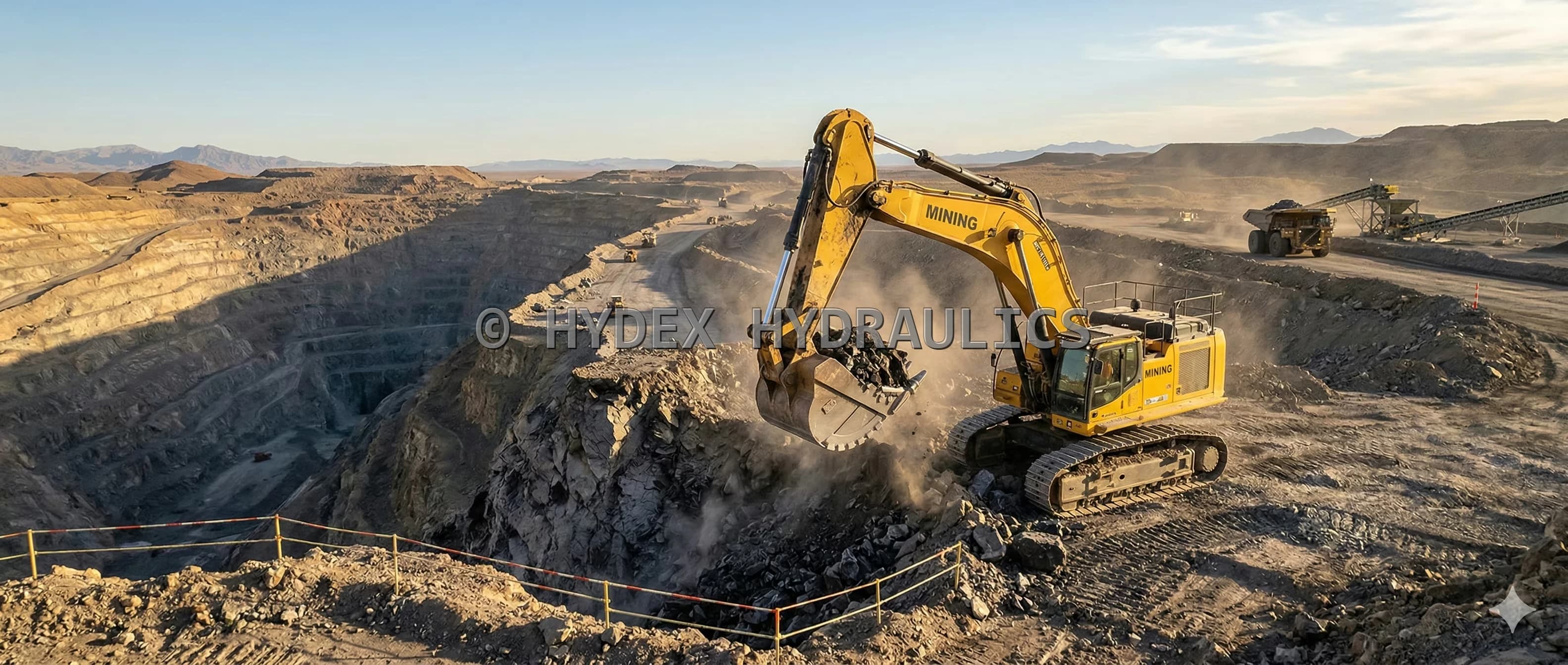
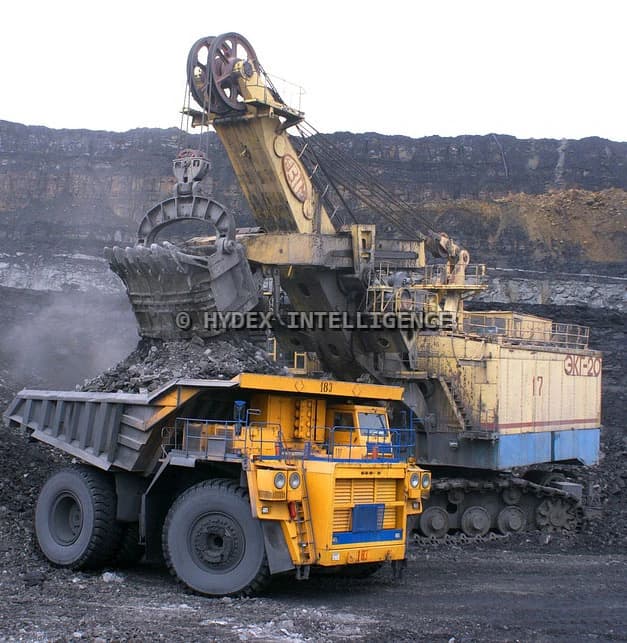
You’ll most often see K3V63DT used in mobile hydraulic machines where a main pump needs to supply multiple circuits. Common categories include:
- Excavators
- Wheel loaders
- Cranes
- Crawler drills / pile drivers
- Crushers
- Concrete pumps
In practice, it’s typically the main pump set feeding implement circuits, travel, and swing (depending on system design).
How to Decode the Ordering Code (Avoid Wrong Orders)
The most expensive mistake is ordering “K3V63DT” without matching the full nameplate code. That full string specifies:
- Mounting and shaft configuration
- Port arrangement
- Rotation direction
- Regulator/control type
- Compatible repair parts (rotating group, valve plate, regulator parts)
Rotation direction (common pitfall)
Many pump codes use a rotation indicator like R (clockwise) or L (counterclockwise), often defined “viewed from shaft end.” Ordering the wrong rotation can cause immediate failure.
Control Types & Replacement Pitfalls
K3V-family pumps can be configured with different control strategies (for example, negative flow control, load sensing, horsepower control, electric/pilot-driven variations). A pump that is “physically similar” may behave very differently if the regulator code changes.
What wrong control looks like
- Machine feels sluggish or overly aggressive
- Oil runs hot under normal work
- Engine stalls under load
- Unstable flow (hunting or surging)
Best practice: always match the replacement to the original by the full nameplate ordering code, then validate settings during commissioning.
Common K3V63DT Symptoms and Likely Causes
1) Slow boom/arm + weak travel (worse when warm)
- Internal leakage (wear in rotating group)
- Worn valve plate / cylinder block interface
- Excessive case drain flow
2) Loud whining / cavitation noise / foamy oil
- Clogged suction strainer
- Collapsing or restricted suction hose
- Air ingress at fittings
- Insufficient suction pressure
3) Overheating + loss of power under load
- Control mismatch (pump stays at high displacement too often)
- Relief valves cracking early
- Poor cooling performance or contaminated oil
Maintenance Checklist (High-Impact, Low Drama)
Keep the oil clean
High-pressure axial piston pumps are precision components. Contamination accelerates scoring, leakage, noise, and heat.
Protect the suction line
Air leaks and restriction on the suction side destroy pumps fast. Keep suction runs short, sealed, and correctly sized.
Monitor case drain (if possible)
Rising case drain flow is a strong early indicator of internal wear—use it to catch failures before downtime hits.
Match controls before replacing
Don’t order by “K3V63DT” alone—match the full nameplate code and regulator/control fields.
Rebuild vs Replace: Decision Guide
Rebuild makes sense when:
- Housing is good (no cracks or heavy scoring)
- Correct rotating group / valve plate / regulator parts are available
- You can flush the whole system properly to prevent repeat failure
Replace makes sense when:
- Catastrophic failure sent metal through the hydraulic system
- Downtime costs more than replacement
- Rebuild quality and test capability can’t be guaranteed
Buying Checklist (Use This Before You Pay)
When sourcing a K3V63DT hydraulic pump (new, reman, or aftermarket), verify:
- Full nameplate ordering code (not just “K3V63DT”)
- Rotation direction matches the original
- Control/regulator type matches your machine’s hydraulic system
- Pressure suitability for your application
- Cleanliness plan: flushing + filtration + fresh oil
Want a perfect-fit compatibility checklist? Send the exact nameplate code (photo or text) and your machine model, and you can generate a variant-specific match list: rotation, control type, mounting/shaft notes, and the most failure-prone parts to inspect first.
FAQ
Is K3V63DT the same as K3V63 (single pump)?
Not exactly. K3V63 refers to the size class; DT indicates a tandem double pump configuration.
What does “DT” mean on Kawasaki pumps?
DT indicates a tandem type double pump configuration (often listed alongside single and parallel double configurations in ordering codes).
Why did my machine feel weaker after replacing a K3V63DT?
In many cases, the replacement has a different regulator/control variant. Even if the pump “fits,” mismatched controls can change response, heat generation, and engine loading.
What’s the fastest way to confirm compatibility?
Capture the full nameplate ordering code and match the replacement to it (rotation + regulator fields + options), then commission and verify settings under load.
Note: Specs and behavior can vary by exact variant. Always confirm the full nameplate ordering code and system settings before ordering parts or commissioning a replacement.